
Everyone thinks they have it. That's exactly the problem.
Lately I keep hearing the same idea, said with total conviction: the next big thing in product is taste. Some people go further, with frameworks to track taste almost scientifically, so teams can measure whether what they're building is any good.
It's been rattling around in my head, and not in a good way.
Not because taste doesn't matter. It does. But I think it's the wrong word to describe what might become important in the world of design, and software development as a whole. If we keep banging on about it, I think it's going to send a lot of teams in the wrong direction.
How do you develop taste? And what makes good taste?
So I'll say it plainly: let's stop talking about taste.
Every image in this article is from Yuko Mohri’s In Concert at the Barbican. I walked round it thinking it was one of the most tasteful and clever things I’d seen in ages. Everyday objects, water, light and sound, all quietly working together. I’m fairly sure plenty of people walked round the same room thinking it was rubbish. Neither of us is wrong. And that’s exactly the problem.
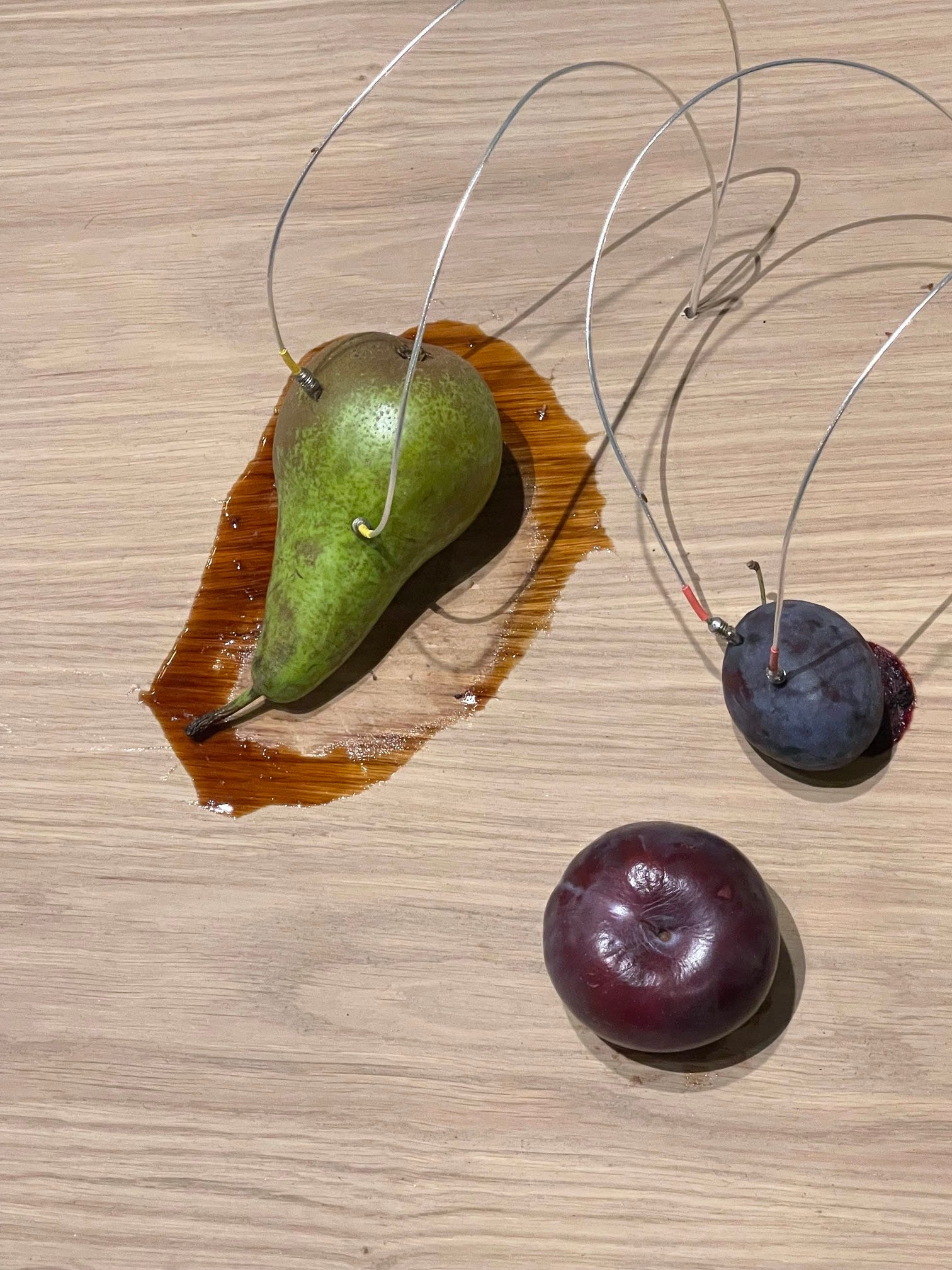
Everyone thinks they have taste
Even if we step outside software and talk about fashion, compare the outrageous, in your face style of Versace with the minimalism and sophistication of Chanel. They're both great examples of fashion. Whether you like Versace or Chanel, you can say both have good style. Just different.
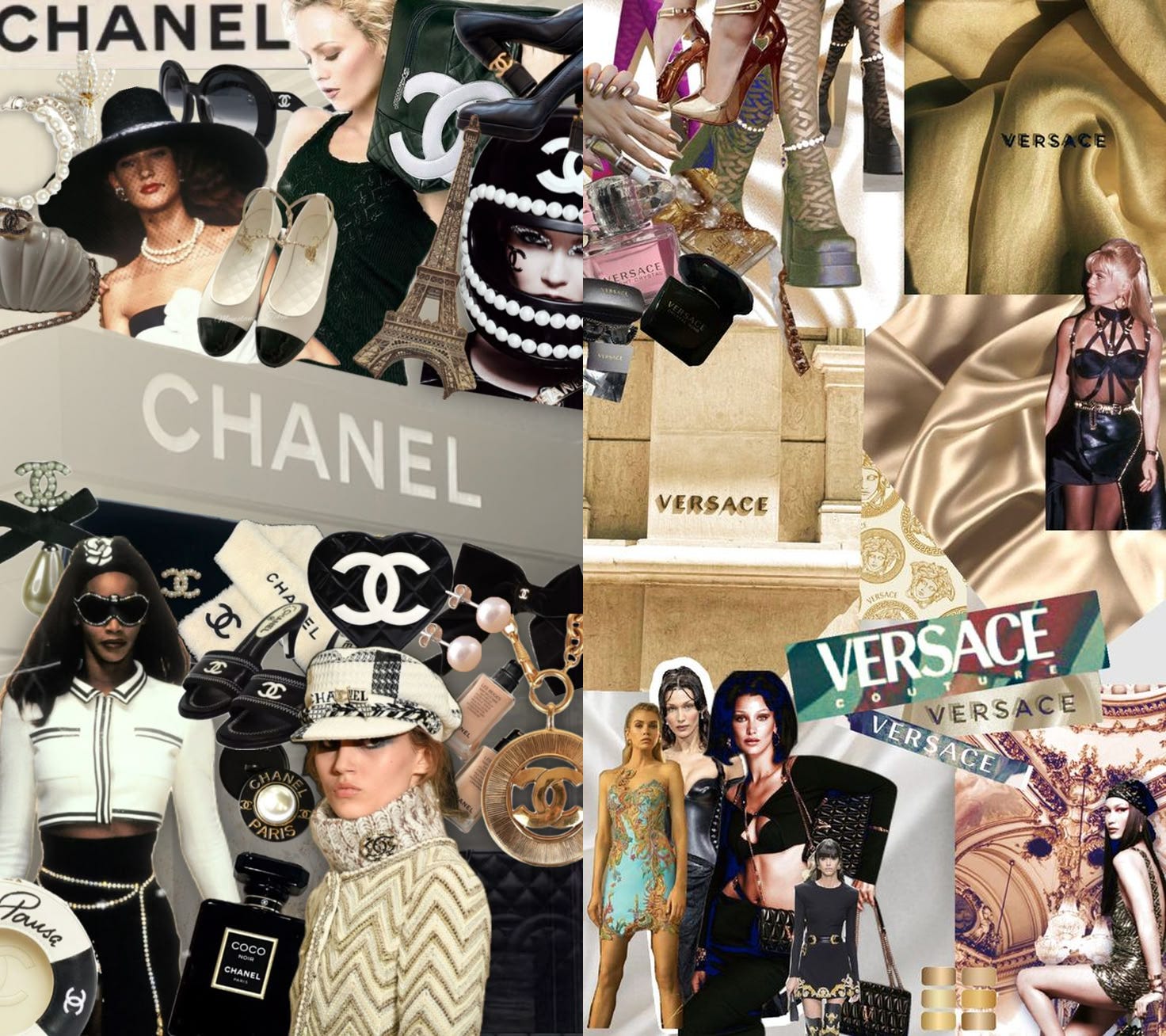
For me the problem is very clear. Ask anyone whether they have good taste and they'll say yes. Try it in your team. Designers, engineers, PMs, founders.
Nobody thinks their own taste is bad. That's exactly what makes it useless as a differentiator.
Now look at where we're heading.
With AI, everyone builds. The PM prototypes the feature. The engineer generates the UI. The designer ships the code. Everyone's a builder, and every builder will look at what they've made and think it's good. Because they've got taste. Obviously.
Taste is subjective. So it can't be a differentiator, or something we ask an entire industry to stand on. That stand will get knocked down in a second, and someone else will be standing on it.
Taste is becoming infrastructure
The irony with taste is that, as designers, I think we're about to encode more and more of it into how we build, so that everyone can create tasteful products. Think about design systems. They're taste, written down. Spacing, type, components, patterns, accessibility rules. All the small decisions that make an interface feel right, baked in so nobody has to make them again.
I'm seeing a huge resurgence of design systems in the agentic world, with designers moving into a more systemic role where they become enablers. We're doing this at my company, and from talking to other design leaders, we're not the only ones.
This is a big part of where design is going. Our job is to build the foundations that let everyone else build something that's correct from a UI point of view, without needing to be a designer.
But making this look good was never the hard part.
What the job actually becomes
If taste becomes infrastructure, some designers will own that infrastructure. They'll move into design enablement, building the design systems and foundations that let every other builder build with taste. That job isn't going anywhere. It's getting bigger.
But what's left for other designers?
Less of the interface, for a start.
Someone will still care about how a card looks in a chat, or what an artefact looks like. But more and more, AI will generate those things, shaped by the decisions we've already put into the system. The screen stops being the thing we design.
The job moves to everything around it. Understanding the full journey a customer goes through. How the front end, the back end and the AI connect. What the AI is generating, and why it's generating that. Which answers actually matter to the people using it, and which ones are just noise.
Then shaping it. Orchestrating the whole thing so the customer gets the right answer, in the right way, with the right artefact, at the right moment in their journey. And deciding what doesn't need to exist at all.
To do that well, we need to get better at skills a lot of us have let slip. For years the industry rewarded becoming a Figma master. Perfect files, clever auto layout, beautifully organised components. Meanwhile, the older UX skills got quietly forgotten.
Talking to customers, often and properly. Understanding their problems well enough to map them out. Working out what the jobs to be done actually are. Connecting what people need with what the system can do.
None of this is new. It's what UX was about before a lot of us got busy making screens. We need much more of it.
So, stop talking about taste
Taste was never going to be the differentiator. It's too subjective, and the next few years need us to be much more objective about what we make and why.
There'll be plenty of space for designers who love design systems. They'll be the ones encoding taste so everyone else can build with it, and that work is going to shape how products get made. But it won't be the differentiator for every designer.
For the rest of us, the work is around the screen. Understanding customers, mapping their problems, knowing what the right answer is, and shaping how it reaches them. We're going to stop designing screens and start designing the answers. I'm still working out what that looks like day to day, but I'm pretty sure it isn't a taste score.
What would you add to that job description?